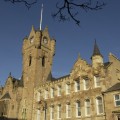
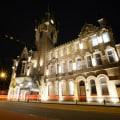
For more than 800 years, Rutherglen has been a Lanarkshire hamlet in its own right. But in 1975, it lost its local council and became an administrative part of the Glasgow city district within the Strathclyde region, together with neighboring Cambuslang. Gary Brown, a native of Rutherglen, argued that the city would benefit from being part of Glasgow through tourism. He pointed out that Burnhill, in the west of the Royal Burgh of Rutherglen, borders the city of Glasgow (Toryglen and Hangingshaw).
The region is home to the Rutherglen branch of the South Lanarkshire Council youth club, Universal Connections, and also the new Clyde Gateway stadium for the Rutherglen football club, Glencairn. Councilman Brown said that Rutherglen had been left “behind”, while Lord McAvoy claimed that the town hall would have been demolished if the Burgh had stayed. Folk singer Matt McGinn was born in Calton, but lived in Rutherglen for many years and wrote songs that mention Rutherglen, such as Ru'glen Jean and Rosy Anna. The Clyde Gateway projects aim to reinvest in this region and create new business parks and make the River Clyde accessible again in Rutherglen.
The issue has been raised several times since Rutherglen and Cambuslang were expelled from Glasgow in 1996 and became part of the South Lanarkshire Council. Stonelaw Woods is located on the town's northern edge and takes its name from the old Stonelaw Tower (a castle shape) that was once near Burnside and the Stonelaw area of Rutherglen. The town of Rutherglen is located about three miles south-east of Glasgow city center and, for practical reasons, can be considered a suburb of the city. In addition to men's amateur teams (such as Rutherglen AFC of the Scottish Amateur Football League), the city also had a women's football club, the Rutherglen Ladies, which formed in 1921 and played at a high level during the 1920s and 30s.
There are proposals for the Cathkin relief road to take Mill Street from Rutherglen and extend it through the park to connect with the Cathkin Ring Road. The Mitchell Arcade was renovated and renamed Rutherglen Shopping Center and used to have a daily market. Rutherglen Burgh has Rutherglen railway station (opened in 1884), and Croftfoot and Burnside stations are closer to the southern parts of the city. Local efforts were made to have Rutherglen as their own district council in the Strathclyde region (such as EK, Hamilton and Glasgow itself). There are proposals for the Cathkin relief road to take Mill Street from Rutherglen and extend it through the park to connect with the Cathkin Ring Road. The Mitchell Arcade was renovated and renamed Rutherglen Shopping Center and used to have a daily market. Rutherglen Burgh has Rutherglen railway station (opened in 1884), and Croftfoot and Burnside stations are closer to the southern parts of the city. Local efforts were made to have Rutherglen as their own district council in the Strathclyde region (such as EK, Hamilton and Glasgow itself).
The old Cathkin House, at the top of the estate, offers a magnificent view of Rutherglen and Glasgow beyond. So is Rutherglen classed as Glasgow? For practical reasons, it can be considered a suburb of Glasgow city center. But administratively speaking, it is part of South Lanarkshire Council since 1996. However, there are still efforts being made to have it as its own district council within Strathclyde region.