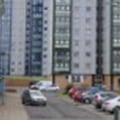
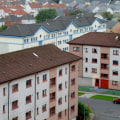
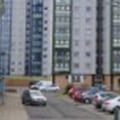
The Rutherglen and Cambuslang areas are among the poorest in Scotland, according to statistics from the Scottish Multiple Deprivation Index. A quarter of children in a postal area of Rutherglen live in poverty. In the 14th century, Walter Stewart, father of King Robert II, was granted Farme Castle, located near Farme Cross in the north of Rutherglen. It remained standing until the 1960s.
The local newspaper is Rutherglen Reformer and the local community radio station is CamGlen Radio. Old Rutherglen Parish Church (190) and Rutherglen's only surviving cinema building, the Vogue, are also located in the area. Rutherglen has a long history, having been granted Royal Burgh status in 1126 by royal charter from King David I of Scotland. It was a center of heavy industry, with a long tradition of coal mining that died out in 1950.
In 1975, Rutherglen lost its own local council and became an administrative part of the Glasgow city district within the Strathclyde region (together with neighboring Cambuslang). The most affected neighborhood in Rutherglen and Cambuslang was Spittal, where 25 percent of the young people there were classified as child poverty. In 1999, the Scottish parliamentary constituency of Glasgow Rutherglen was created, with the same limits as the then parliamentary constituency of the United Kingdom. Rutherglen is not such a bad place to live; there are worse places and there are better ones too.
If you only work in Rutherglen, you can stay in Croftfoot or Kings Park which are not far away and are quite decent in some parts. There are limited services including a pub and small grassy areas spread between houses. Overall, it is clear that while some parts of Rutherglen and Cambuslang remain among the most disadvantaged in Scotland, there are still areas that are safe and decent to live in. It is important to remember that poverty does not define an area; it is only one aspect that should be taken into consideration when assessing an area's overall quality of life.